
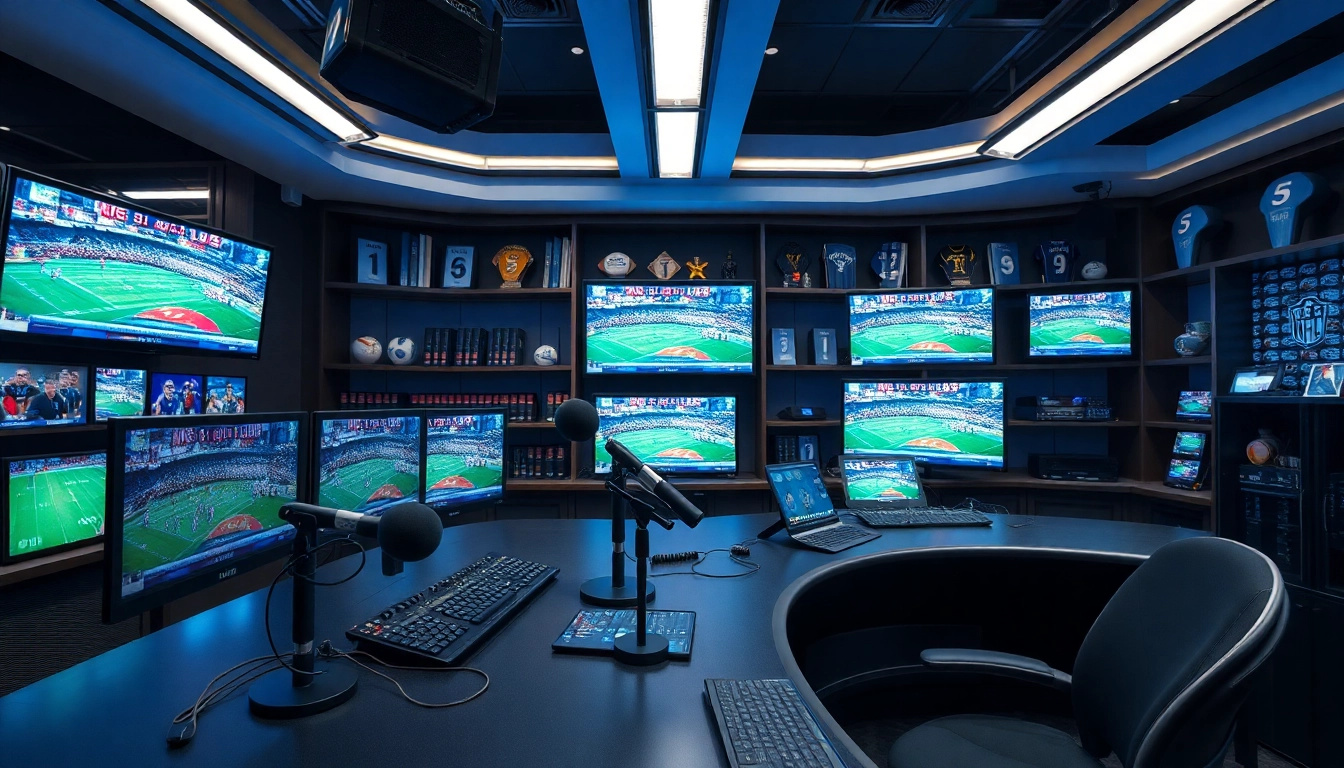
Understanding Sports Broadcasting
Sports broadcasting encapsulates a dynamic approach to engaging audiences by delivering live sports events through multiple channels, including television, radio, and online platforms. This multifaceted industry has evolved tremendously over the years and continues to influence how fans consume sports content. The rise of Sports Broadcasting reflects technological advancements, shifting viewer preferences, and the necessity for innovative engagement strategies.
The Evolution of Sports Broadcasting
The journey of sports broadcasting began in the early 20th century with radio broadcasts, allowing millions to tune into major sporting events from the comfort of their homes. The mid-20th century saw the leap to television, making visual storytelling a central part of the fan experience. The advent of cable television introduced specialized sports networks, allowing for a 24/7 sports culture where fans could access diverse content beyond live events.
Today, the landscape has shifted dramatically thanks to the internet and mobile technology. Streaming services and social media have democratized access to sports content, providing fans from all over the world the ability to view events at their convenience. The continuous evolution has led to more personalized and on-demand viewing experiences, positioning broadcasters to cater to increasingly diverse audience segments.
Key Platforms and Technologies in Sports Broadcasting
Sports broadcasting today utilizes numerous platforms and technologies that enhance viewer engagement and accessibility. Major broadcasting networks now offer live streaming on their websites and applications, ensuring fans can follow their favorite teams no matter where they are. Additionally, platforms like YouTube TV, Amazon Prime Video, and sports-specific services have transformed how audiences engage with live events.
Technologically, innovations such as 4K Ultra HD streaming, multi-camera angles, and instant replay systems have significantly improved viewer experience. Cloud-based broadcasting solutions facilitate seamless transmission and content management, allowing for a smoother delivery of live events. Furthermore, advances in mobile technology mean that fans can stream games directly on their devices, making it easier than ever to stay connected to their passions.
Audience Demographics in Sports Broadcasting
Understanding audience demographics is crucial for broadcasters aiming to create engaging content. Traditionally, sports broadcasting has attracted a predominantly male audience; however, research shows an expanding demographic that now includes a significant female viewership. Today's sports fan is often diverse in age, ethnicity, and interest, necessitating targeted content that appeals to various segments.
Analytics tools can track audience preferences, enabling broadcasters to tailor content and advertising strategies effectively. Engaging content, such as behind-the-scenes footage and athlete interviews, can bridge generational gaps and foster a sense of connection among viewers, enhancing the overall fan experience.
Best Practices for Engaging Content
With the rapid advancements in technology and shifting consumer preferences, the challenge for sports broadcasters is to capture and retain viewer attention. Engaging content is no longer just nice to have; it’s essential for standing out in a crowded marketplace. Here are key practices to create compelling sports broadcasting content.
Creating Interactive Viewer Experiences
Interactive experiences enable viewers to engage with content actively rather than passively watching broadcast events. Offering features such as real-time polls, quizzes, and live chats during broadcasts can significantly enhance engagement. For instance, viewers can vote on game predictions or ask questions to commentators, fostering a two-way communication channel.
Technology such as augmented reality (AR) can be incorporated to create immersive experiences, allowing fans to view player statistics or game highlights through their mobile devices while watching a live match. Implementing gamification strategies, where fans earn rewards or prizes for specific interactions during broadcasts, can further motivate engagement.
Utilizing Social Media for Sports Broadcasting
Social media platforms are no longer adjunct channels but have become integral to sports broadcasting strategies. Utilizing platforms such as Twitter, Instagram, and TikTok can help broadcasters reach broader audiences. Content that encourages sharing, such as highlight reels, player interviews, and memes, can harness viral trends to amplify viewership.
Moreover, live-tweeting games and hosting Q&A sessions on platforms like Instagram Live keep the conversation alive and encourage fan participation. Engaging with fans directly on these platforms, responding to comments, and recognizing user-generated content can create a community around sports programming, transcending traditional broadcasting limitations.
Leveraging Data Analytics to Understand Viewership
Data analytics is transforming sports broadcasting by enabling networks to gather insights into viewer behavior and preferences. By utilizing tools that track viewership metrics, broadcasters can identify which segments of their audience engage most with specific content. This information can inform targeted programming decisions, promotional strategies, and content creation.
Advanced analytics can also predict future trends, allowing broadcasters to adapt their offerings proactively. For example, understanding peak viewing times and audience reactions can guide the scheduling of high-stakes broadcasts or the release of exclusive content, maximizing viewer engagement.
Challenges in Sports Broadcasting
While the potential for innovation in sports broadcasting is immense, several challenges continue to confront industry stakeholders. These obstacles can impede growth and limit viewer satisfaction if not addressed effectively.
Regulatory Hurdles and Licensing Issues
Regulatory compliance forms a core component of sports broadcasting. Licensing agreements dictate how content can be shared and viewed, often leading to complex legal frameworks that vary by region. Observing national and international regulations while securing broadcasting rights can be a daunting process for networks and platforms.
In addition, broadcasting entities must navigate content distribution restrictions and censorship laws that can influence the format and reach of broadcasts. Building strong relationships with leagues, teams, and regulatory bodies can alleviate some of these issues, paving the way for smoother operations.
Technological Limitations and Solutions
Even with advances in technology, many broadcasters face challenges regarding infrastructure and capability. High-quality streaming requires significant bandwidth, and service interruptions can lead to viewer dissatisfaction. This challenge calls for investment in robust infrastructure, including reliable servers and distribution networks.
Emerging technologies like 5G promise to enhance connectivity, potentially resolving these issues, but the transition can be fraught with cost and implementation challenges. Investing in scalable solutions can help bridge technological gaps and prepare broadcasting entities for evolving demands.
Adapting to Changing Audience Preferences
Viewer preferences are continually evolving, influenced by factors such as generational shifts, lifestyle changes, and technological advancements. Today's audiences expect not just live broadcasts but also additional content types, including in-depth analysis, personalized highlights, and alternate commentary options.
Broadcasters must cultivate agility in their programming strategies, constantly experimenting with different content formats and genres. Engaging with audiences through surveys and feedback can provide valuable insights into evolving preferences, ensuring that content remains relevant and exciting.
Future Trends in Sports Broadcasting
The future of sports broadcasting is set to be shaped by technological advancements and changing viewer expectations. As the competitive landscape continues to evolve, staying ahead of trends will be vital for success in this dynamic market.
The Role of Augmented and Virtual Reality
Augmented Reality (AR) and Virtual Reality (VR) are poised to redefine the sports viewing experience. These technologies allow fans to immerse themselves in a 3D viewing environment. By experiencing games as if they were in the stadium, audiences can enjoy enhanced viewing and interaction opportunities.
AR applications can overlay player statistics and real-time data onto live broadcasts, enriching the viewing experience. Similarly, VR can simulate immersive experiences for fans unable to attend live events, granting access to exclusive behind-the-scenes content, enhancing loyalty, and deepening engagement.
How 5G Technology is Shaping Sports Broadcasting
5G technology is set to revolutionize the broadcasting landscape, offering lightning-fast speeds and improved connectivity. The increased bandwidth will facilitate high-definition live streaming, thereby enhancing viewers' overall experience, especially for mobile users.
Broadcasters can leverage 5G to deliver low-latency streams and interactive content, enabling real-time engagement like never before. This technology opens new doors for innovative programming, allowing for a blend of user-generated content and professional broadcasting, further blurring lines between traditional and digital media.
Predictions for Viewer Engagement in Sports Broadcasting
The sports broadcasting landscape is rapidly evolving, with viewer engagement trends shifting towards more personalized, on-demand, and interactive content. Future broadcasts will likely encompass greater personalization, allowing fans to choose camera angles, audio commentary, and even select which moments to re-watch.
Customizable viewing experiences, enhanced through data analytics, will tailor content to individual preferences, ensuring that each viewer has a unique experience. As interactivity rises, the connection between fans and broadcasters will deepen, creating a vibrant atmosphere where communities thrive, both online and offline.
FAQs on Sports Broadcasting
What is Sports Broadcasting?
Sports broadcasting is the live transmission of sporting events through television, radio, or online platforms, providing real-time coverage and commentary.
How has technology changed Sports Broadcasting?
Advancements like HD broadcasts, streaming services, and social media integration have enhanced viewer experiences and accessibility in sports broadcasting.
What are the major platforms for Sports Broadcasting?
Popular platforms include television networks, streaming services like Amazon Prime, and social media platforms where live events are shared.
How can teams maximize audience engagement?
Teams can maximize engagement by creating interactive content, using polls on social media, and providing exclusive behind-the-scenes footage during broadcasts.
What does the future hold for Sports Broadcasting?
The future will likely see greater use of augmented reality, individual viewer experiences, and enhanced technological capabilities like AI in content production.