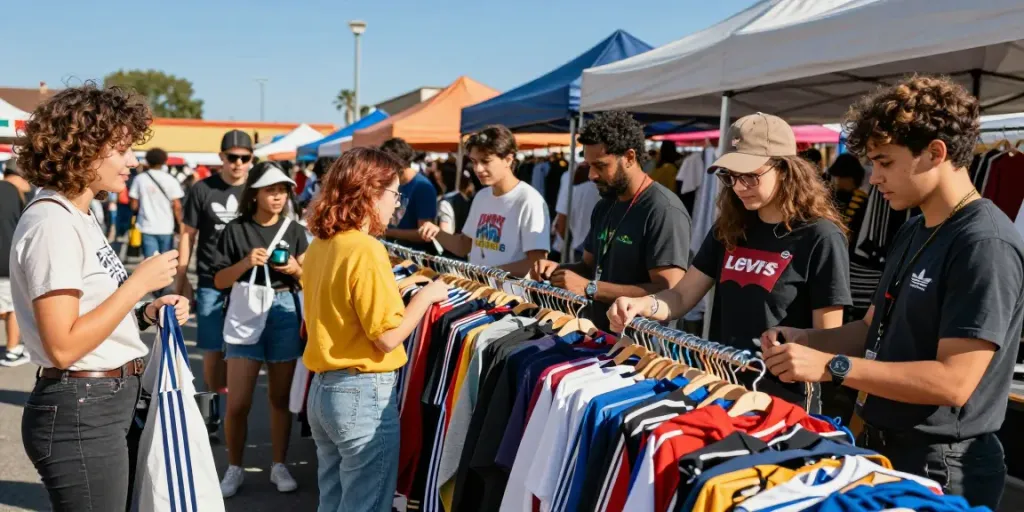
The Market Landscape for Hurt Markowej Odzieży in 2026
The wholesale clothing market is undergoing a significant transformation as we step into 2026. This evolution is driven by various factors, including changing consumer preferences, technological advancements, and the ongoing impact of global economic conditions. As retailers and wholesalers navigate this landscape, understanding key elements such as supply chain efficiency, product authenticity, and market trends becomes crucial for success. One notable player in this arena is hurt markowej odzieży, which stands out by offering direct access to top European brands without intermediary involvement.
Current Trends in Wholesale Clothing
2026 is witnessing a surge in demand for sustainable and ethically produced clothing. Retailers are increasingly prioritizing transparency in sourcing, with consumers becoming more aware of their purchasing decisions. Online platforms are also on the rise, enabling easy access to a variety of products at competitive prices. Additionally, the advent of virtual showrooms and augmented reality tools is revolutionizing how wholesale clothing buyers assess potential inventory.
Key Players in the Market
The market for wholesale branded clothing is populated by several notable players, each with unique offerings and supply chain models. Companies like AllTex Group, known for their direct import of premium brands, have carved a niche by focusing on efficiency and comprehensive customer service. Other competitors include Naleo and Hurt-Import, which also offer a diverse range of apparel to various retail channels. Understanding these key players enables new businesses to benchmark service levels and product offerings.
User Preferences and Purchasing Behavior
In the current climate, user preferences are shifting towards quality and authenticity over quantity. Buyers are looking for unique collections that can set their retail offerings apart. They also value the ability to track their orders, ensuring timely delivery and transparency throughout the purchasing process. Retailers must adapt to these changing behaviors by providing personalized shopping experiences and direct engagement through their platforms.
Understanding Your Target Audience
Identifying and understanding target customer segments is essential for any wholesale business. This entails recognizing their behaviors, preferences, and pain points, which can significantly impact purchasing decisions. Creating tailored marketing strategies that resonate with these segments will lead to improved customer retention and loyalty. As we delve deeper, we explore ways to address customer challenges effectively.
Identifying Key Customer Segments
Businesses in the wholesale clothing sector can categorize their customers into various segments. These typically include retail store owners, online retailers, and second-hand shops. Each segment has distinct needs; for instance, retail store owners may prioritize quick restocking of popular items, whereas online retailers might seek unique pieces that can attract a particular demographic.
Addressing Customer Pain Points
Understanding common customer pain points can guide businesses in enhancing their service offerings. Issues like supply chain delays, quality inconsistencies, and lack of responsive customer service are prevalent concerns. By addressing these areas, wholesalers can position themselves as reliable partners who are committed to fulfilling their clients' needs promptly and efficiently.
Best Practices for Customer Engagement
Engagement strategies like proactive communication, personalized email marketing, and loyalty programs can significantly enhance customer satisfaction. Additionally, utilizing data analytics to track customer preferences and behavior allows businesses to tailor their offerings and marketing strategies effectively.
Strategies for Successful Sourcing and Distribution
Successful sourcing and distribution necessitate strategic decision-making around suppliers, logistics, and quality assurance. Retailers must balance cost efficiency with product quality to ensure sustainable business operations. Here, we discuss effective strategies that can be employed to enhance sourcing and distribution effectiveness.
Direct Sourcing vs. Middlemen
Opting for direct sourcing is increasingly favored by many retailers as it cuts down costs associated with middlemen. This practice not only results in better pricing but also allows businesses to maintain greater control over product quality and delivery schedules. Direct relationships with manufacturers can foster opportunities for exclusive deals and branded products.
Logistics and Delivery Optimization
Logistics plays a pivotal role in the wholesale clothing industry. Companies must invest in advanced logistics solutions to ensure timely deliveries across various regions. Using technologies such as AI and machine learning can optimize routes and predict delivery times, enhancing overall efficiency in operations.
Quality Control Standards to Implement
Implementing rigorous quality control standards is essential for maintaining customer trust. Businesses should establish clear guidelines for product evaluations, ensuring that every item meets the specified quality benchmarks before being offered to retailers. Regular audits and feedback loops can help in continuously improving product offerings.
Marketing Tactics to Boost Sales in 2026
As market competition heightens, effective marketing tactics become vital for boosting sales. Businesses need to innovate their marketing strategies to capture consumer attention and drive conversion rates. This section delves into various marketing tactics that can enhance visibility and sales performance.
Effective Online Marketing Strategies
Utilizing SEO, pay-per-click advertising, and content marketing can significantly improve online visibility. Crafting quality content that addresses customer needs not only draws traffic but also establishes companies as thought leaders in the industry. Furthermore, investing in PPC campaigns can yield immediate results in customer acquisition.
Utilizing Social Media for Brand Growth
Social media platforms are powerful tools for brand promotion. By creating engaging and shareable content, companies can build a loyal online community. Incorporating user-generated content and influencer collaborations can enhance the authenticity of brand messaging and attract new customers.
Creating Compelling Promotional Campaigns
Promotional campaigns that resonate with customer values drive sales effectively. Seasonal promotions, bundle offers, and loyalty discounts can incentivize purchases and encourage repeat business. Businesses should also leverage email marketing to inform customers of upcoming promotions and exclusives.
Future Trends and Predictions in the Industry
The wholesale clothing industry is continuously evolving, with new trends emerging that can reshape market dynamics. Understanding these future trends is key for businesses to stay relevant and competitive. Here’s what to look out for as we approach 2026 and beyond.
Sustainability in Clothing Supply Chains
Sustainability practices are becoming non-negotiable in the clothing industry. Brands that prioritize eco-friendly materials and ethical production are likely to attract conscientious consumers. Implementing sustainable practices not only fulfills consumer demand but also enhances brand reputation.
Emerging Technologies in Fashion Retail
Technological advancements will increasingly influence the fashion retail landscape. Innovations such as 3D printing, virtual fitting rooms, and AI-driven inventory management are expected to create efficiencies that redefine traditional retail operations. Businesses can harness these technologies to enhance customer experiences and optimize operations.
Consumer Behavior Shifts Post-Pandemic
The COVID-19 pandemic has profoundly impacted consumer behavior, resulting in shifts towards online shopping and a growing preference for convenience. Businesses must adapt to this new normal by enhancing their online presence and ensuring that their logistics can support the demands of an increasingly digital marketplace.
How to Choose the Right Supplier for Hurt Markowej Odzieży?
Selecting the right supplier is crucial for maintaining product quality and ensuring timely delivery. Retailers should evaluate potential suppliers based on their track records, the variety of products offered, and their ability to meet specific demands. Building strong relationships with suppliers can lead to better pricing and exclusive offerings.
What are the Benefits of Direct Importing for Retailers?
Retailers who engage in direct importing benefit from lower costs, greater product control, and enhanced flexibility in inventory management. By cutting out intermediaries, businesses can pass savings onto their customers while maintaining quality assurance throughout the supply chain.
How to Ensure Quality Control When Sourcing?
Establishing clear quality control criteria is essential when sourcing products. Regular inspections and audits of suppliers can help identify potential issues early, ensuring only the highest quality products reach customers. Collaborating with experienced partners can also enhance quality assurance processes.
What Marketing Channels Are Most Effective for Apparel?
Online marketing channels, including social media, email, and e-commerce platforms, are vital for apparel marketing. Retailers should leverage data analytics to understand which channels yield the best ROI and adjust their marketing strategies accordingly to maximize sales potential.
How Will Consumer Preferences Change in the Coming Years?
As consumer awareness grows, preferences will likely shift more towards brands that offer personalized experiences, sustainability, and authenticity. Retailers must prepare to incorporate these values into their business models to remain competitive and attract the next generation of consumers.